

Cloudera Bolts cuDF Onto Spark 4.1: 4x Speedup, Zero Code Changes
Every data platform lead who has watched a nightly Spark job creep from four hours to seven knows the shape of this problem. The pipeline still finishes, the dashboards still load by 9am, but the cloud bill keeps climbing and the AI team keeps waiting for features. On August 20, 2026, Cloudera and NVIDIA rolled out a fix that doesn't ask engineers to rewrite a single line of PySpark.
The pitch is direct: native GPU acceleration for Apache Spark 4.1 inside Cloudera Data Engineering, powered by the NVIDIA cuDF plug-in from the CUDA-X library. Same code, same DAGs, GPUs underneath. The interesting part isn't the benchmark. It's the operational packaging.
What Happened
At EVOLVE Singapore, Cloudera announced two things that lock together. First, Cloudera Anywhere Cloud, a hybrid deployment surface covering public cloud, private cloud, sovereign cloud, and on-premises. Second, native GPU acceleration for Apache Spark 4.1 inside Cloudera Data Engineering, with the NVIDIA cuDF plug-in supporting Anywhere Cloud from day one. The San Jose company, which pitches itself as "the only company bringing AI to data anywhere," is positioning this as a hybrid answer to single-vendor GPU Spark offerings.
According to The Manila Times, the integration delivers up to 4x workload acceleration on NVIDIA GPUs versus traditional CPU infrastructure, and requires zero code changes to existing PySpark or SQL. Deployment includes built-in driver setup, no manual CUDA plumbing, and security and governance run through the Cloudera Unified Data Fabric.
Cloudera framed the launch around a survey stat from its own Great Re-Architecture research: 84% of respondents said AI workloads have driven infrastructure costs up. Leo Brunnick, Cloudera's Chief Product Officer, put it plainly: "For many organizations, AI isn't limited by models. It's limited by how quickly they can turn raw data into trusted, usable insights." Pat Lee, NVIDIA's VP of Strategic Enterprise Partnerships, framed the play as meeting enterprises where they already run: PySpark and SQL, unchanged.
More demos are scheduled for NVIDIA GTC Berlin and Cloudera EVOLVE New York later in 2026. The technical claim on the table today: large Spark jobs that currently run for hours, compressed by roughly 4x on GPU hardware, with governance intact across hybrid footprints.
Technical Anatomy
The mechanism is not new to anyone who has watched RAPIDS mature. cuDF is NVIDIA's GPU-accelerated dataframe library, and the RAPIDS Accelerator for Apache Spark intercepts Spark's Catalyst physical plan and swaps eligible operators (joins, aggregations, sorts, window functions, many projections) onto GPU kernels. Operators that don't have GPU implementations fall back to CPU. That's how you get the "no code changes" promise: it lives at the execution layer, below the DataFrame and SQL APIs.
What Cloudera is adding on top is the boring stuff that actually blocks adoption in enterprise shops. Native packaging inside Cloudera Data Engineering means no hand-rolled CUDA driver installs on YARN or Kubernetes nodes. No arguing with platform ops about which GPU AMI to pin. The Unified Data Fabric carries lineage, access control, and audit into the accelerated jobs, which matters for anyone under DORA, PCI, or gambling-commission scrutiny.
The Anywhere Cloud angle is the strategic wedge. GPU Spark on a single hyperscaler is already available through Databricks Photon and other managed services, but you inherit that vendor's control plane. Cloudera's argument is that regulated workloads in sovereign clouds or on-prem estates get the same accelerator with the same governance. For iGaming operators running EU sovereign data residency, or fintechs pinned to specific jurisdictions, that portability is not cosmetic.
A few caveats worth naming. The 4x figure is a ceiling, not a floor. Workloads dominated by shuffle, small files, wide UDFs written in Python, or heavy string manipulation typically see far less lift. Joins on large fact tables with numeric keys tend to shine. ETL against JSON blobs with regex-heavy parsing tends to disappoint. And GPU nodes cost meaningfully more per hour than CPU nodes, so the economics only work if the wall-clock reduction is real and the cluster actually shrinks or dies faster.
My take: the engineering here is solid but the honest ROI depends entirely on workload shape. Anyone quoting a 4x cost cut off the press release deck deserves the incident review that follows.
Who Gets Burned
Start with the teams that got burned first: analytics engineering shops where AI workloads have already inflated the bill. That 84% cost-increase figure from Cloudera's survey is the tell. On a mid-sized data platform spending, say, $200k/month on cloud compute, a genuine 2x reduction in Spark hours is real headcount money. That's two engineers worth of budget on a ten-person team. CFOs will notice. Platform leads will be asked why they haven't tried it.
The uncomfortable read: single-cloud lock-in vendors just got a credible hybrid competitor for the exact workload their customers complain about loudest. If you're a Databricks or Snowflake champion inside a regulated enterprise, expect procurement to forward this announcement with a "have we evaluated?" note within the quarter. Snowflake shops running Snowpark for heavy transforms will feel less pressure since the abstraction is different, but Databricks-shaped workloads overlap directly.
iGaming platform teams should pay attention for a specific reason: player-behavior feature pipelines and fraud scoring ETL are exactly the numeric-heavy, join-heavy jobs where cuDF actually delivers. Teams I've worked with in the Malta and Isle of Man corridors spend a disproportionate share of their data budget on nightly aggregations feeding risk models. Those are the workloads that shrink from six hours to ninety minutes when the acceleration lands cleanly.
Who gets burned in the bad way: teams that jump without profiling. GPU nodes are pricier per hour. If your Spark job is 70% shuffle and 20% Python UDF, you'll pay more for the same wall clock and quietly wonder why the invoice went up. The other losers are shops with heavy dbt-on-Spark transformations doing string-heavy work. dbt models that lean on regex, JSON unnesting, and complex CASE logic won't see the marketing-deck speedup.
Playbook for Data Teams
This week, do three things. First, pull the Spark History Server data for your top ten most expensive jobs by cluster-hour. Bucket them by dominant operator: joins, aggregations, sorts, UDFs, shuffle. Anything above 60% GPU-eligible operator time is a candidate. Anything below 30% is not, no matter what the vendor slides say.
Second, price it honestly. Compare current CPU cluster cost per job against a GPU cluster sized to hit the 4x target. Remember GPU instances often carry a 3-5x hourly premium depending on region and generation. The math only works if the wall-clock cut is real and if you can actually right-size or terminate the cluster faster. A job that runs 4x faster on a cluster that stays up 24/7 saves you nothing.
Third, pilot one workload end to end with governance in the loop. Not a benchmark, a real production pipeline with lineage, PII masking, and audit trails intact. Verify the Unified Data Fabric hooks behave the way your compliance team expects. Production incidents I've seen around accelerator rollouts almost never involve the accelerator itself. They involve driver mismatches, container image drift, or a governance hook that silently stopped firing.
For teams with OLAP query patterns rather than ETL, this announcement is not your fix. Look at ClickHouse or a proper columnar engine instead of trying to bend Spark into a query layer. Right tool, right job.
Key Takeaways
- Cloudera's native cuDF integration for Spark 4.1 promises up to 4x acceleration with zero PySpark or SQL changes, packaged inside Cloudera Data Engineering with driver setup handled.
- The hybrid angle matters: Cloudera Anywhere Cloud extends GPU Spark across public, private, sovereign, and on-prem environments, unlike single-cloud accelerators.
- 84% of Cloudera's survey respondents cite AI-driven infra cost increases, which is the pressure point this launch targets directly.
- Real ROI depends on workload shape: numeric-heavy joins and aggregations win, string-heavy and UDF-heavy jobs mostly don't.
- Profile your top ten Spark jobs before touching procurement. GPU nodes cost more per hour, so the savings only exist if wall-clock cuts translate to shorter cluster lifetimes.
Frequently Asked Questions
Q: Does the GPU acceleration really require zero code changes to existing Spark jobs?
Yes, at the API level. The RAPIDS Accelerator plugs into Spark's execution layer and swaps eligible operators onto GPU kernels while leaving PySpark and SQL code untouched. Operators without GPU implementations fall back to CPU automatically, so behavior stays consistent even when speedups don't materialize.
Q: When will this actually save money versus just running faster?
When the wall-clock reduction lets you shrink cluster size, kill ephemeral clusters sooner, or hit SLAs with fewer nodes. GPU instances cost more per hour than CPU, so a job that runs 4x faster on a cluster that stays up all day saves nothing. Profile before you procure.
Q: How does this compare to Databricks Photon or Snowpark for accelerated Spark workloads?
Photon is tied to the Databricks control plane and Snowpark runs inside Snowflake. Cloudera's differentiator is deploying the same GPU acceleration across public cloud, private cloud, sovereign cloud, and on-premises through Anywhere Cloud, which matters for regulated workloads that can't sit on a single hyperscaler.

Databricks Puts Decision Models in SQL: The Build-vs-Buy Call
Databricks just made open-weight decision models callable from a SQL prompt. For platform leads, it reframes a build-vs-buy question that was supposed to take all of Q4.

Oracle's Lakehouse Bet: 63% of Firms Aren't AI-Ready
Oracle rebrands Autonomous Data Warehouse as AI Lakehouse, betting that 63% of firms unready for AI data management want federation, not migration.
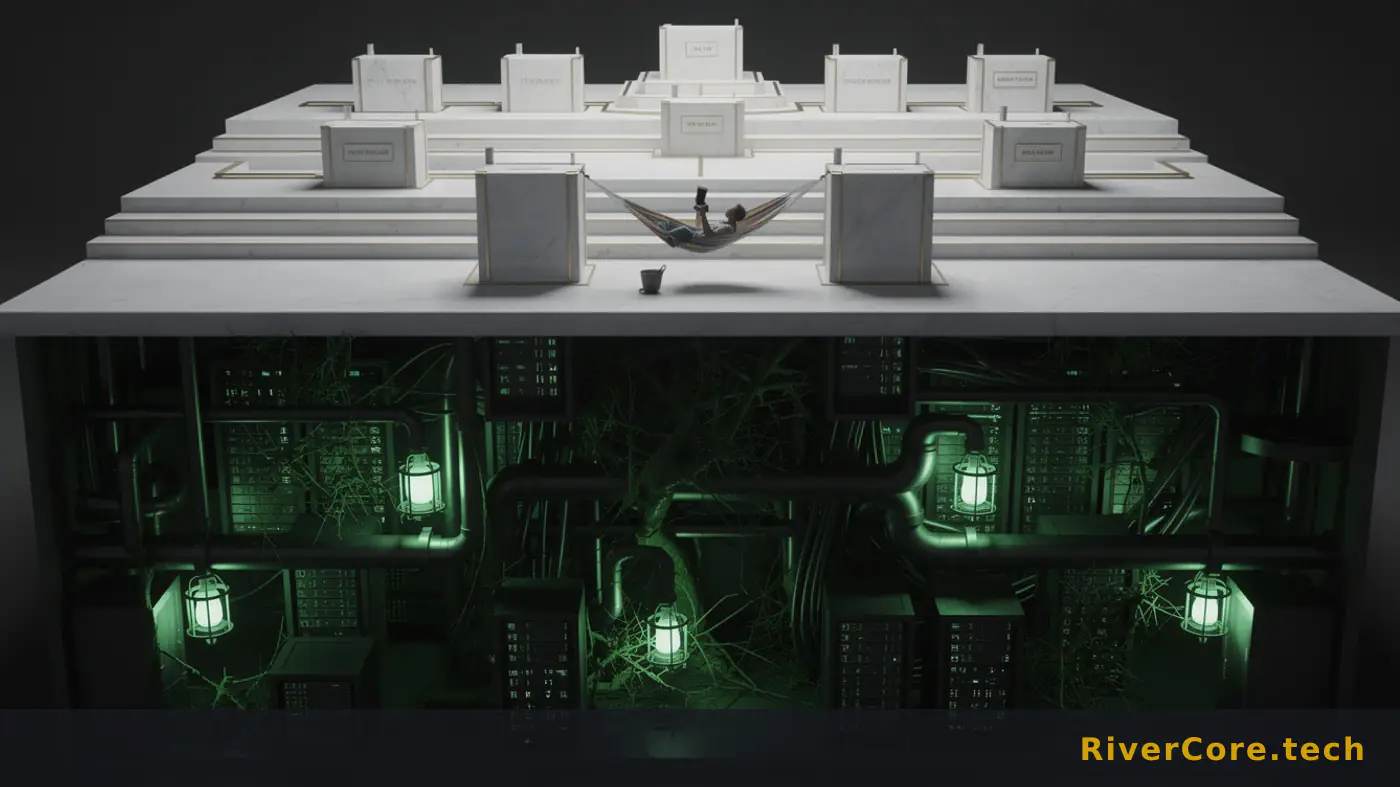
The 3-Hour Data Engineer: What Shadow Automation Costs Platform Teams
A viral Reddit post about a data engineer working three hours a week exposes a real platform governance problem: shadow automation that never enters the org chart.